Signs of Overtraining + Recovery Beyond a Rest Day
Signs of overtraining include persistent fatigue, decreased performance, and mood changes. Proper recovery extends beyond resting.
Are you feeling constantly tired, experiencing performance decline, or noticing a change in your mood? These could be signs of overtraining. Recovery plays a crucial role in allowing your body to bounce back from intense physical strain. Beyond just taking a day off, there are various strategies you can implement to enhance your recovery process.
We will explore the signs of overtraining, the importance of recovery, and effective methods to support your body’s restoration and adaptation to intense training.
Recognizing Overtraining
Physical Symptoms
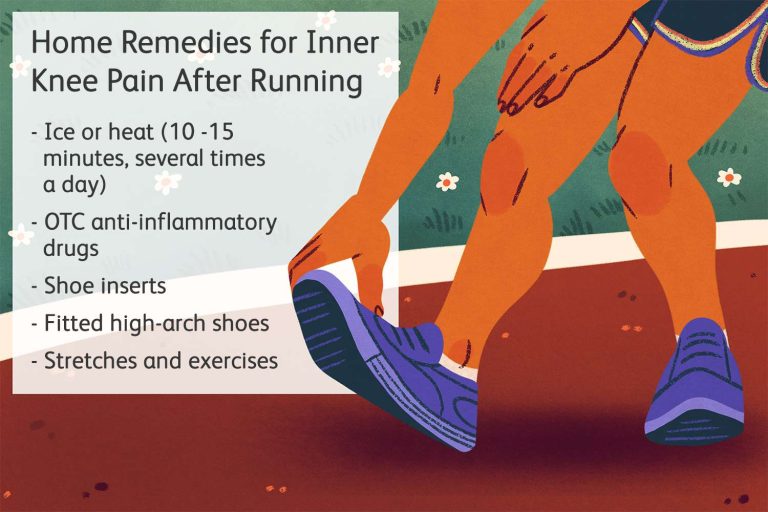
Overtraining can manifest itself in various physical symptoms that indicate the body is under excessive stress. These symptoms include persistent muscle soreness, frequent injuries, decreased appetite, and trouble sleeping. Additionally, overtraining may lead to a weakened immune system, increased heart rate at rest, and persistent fatigue.
Mental Symptoms
Alongside physical symptoms, overtraining can also lead to mental exhaustion. This can take the form of mood swings, irritability, decreased motivation, and difficulty concentrating. Anxiety and depression may also surface in cases of overtraining.
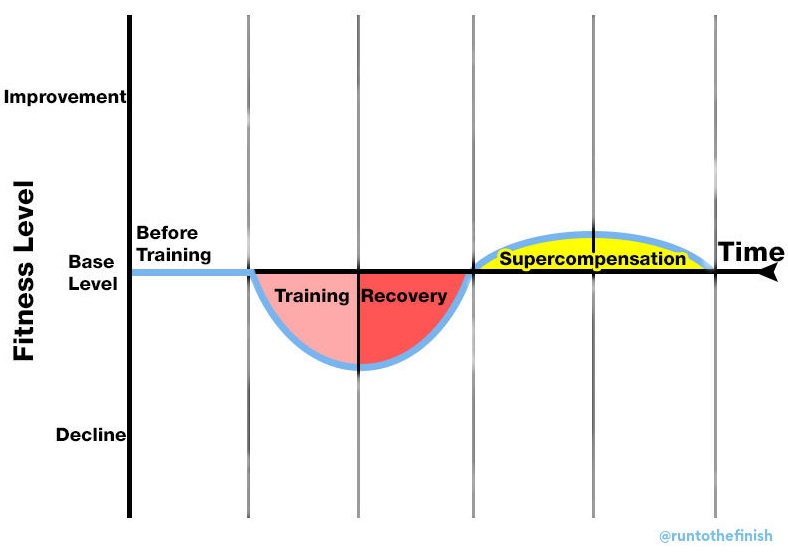
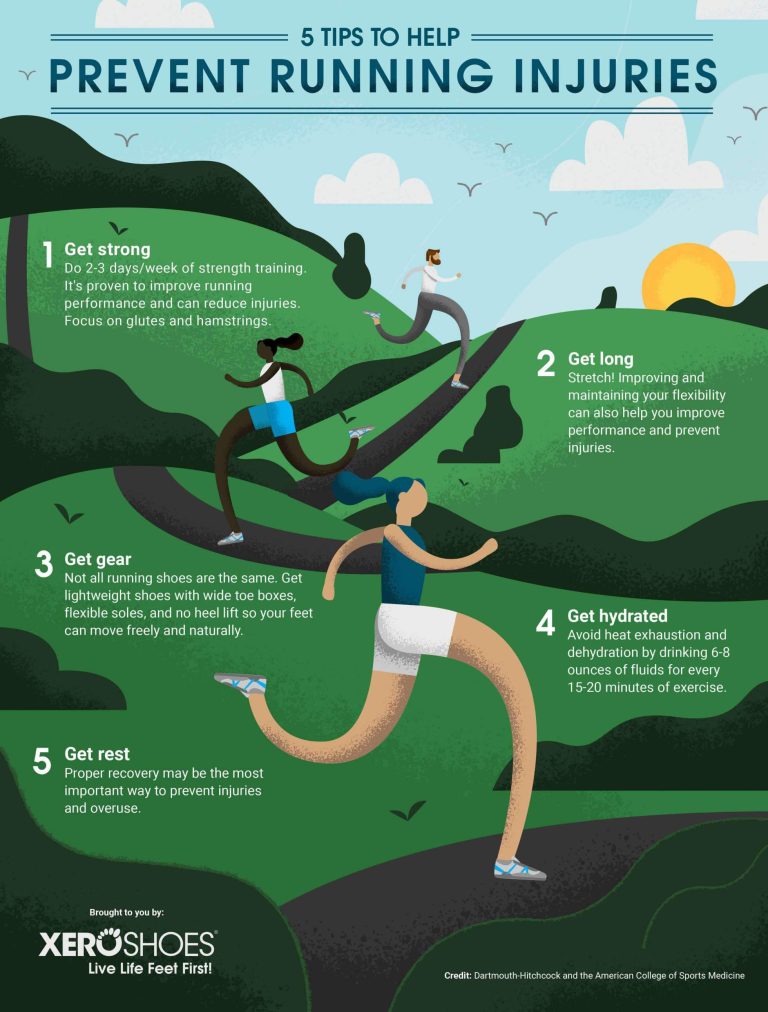
Credit: www.runtothefinish.com
Effects Of Overtraining
Exercise is essential for a healthy lifestyle, but overdoing it can have detrimental effects on the body.
Decreased Performance
Excessive training can lead to a decline in athletic performance due to muscle fatigue and inadequate recovery time.
Increased Injury Risk
Overtraining elevates the risk of injuries such as strains, sprains, and stress fractures.
Importance Of Active Recovery
Active recovery is key for overworked muscles, aiding in tissue repair and boosting performance.
Enhancing Blood Flow
Increased blood flow accelerates nutrient delivery to muscles, aiding in recovery.
Reducing Muscle Soreness
Active recovery helps diminish soreness by flushing out toxins and promoting healing.

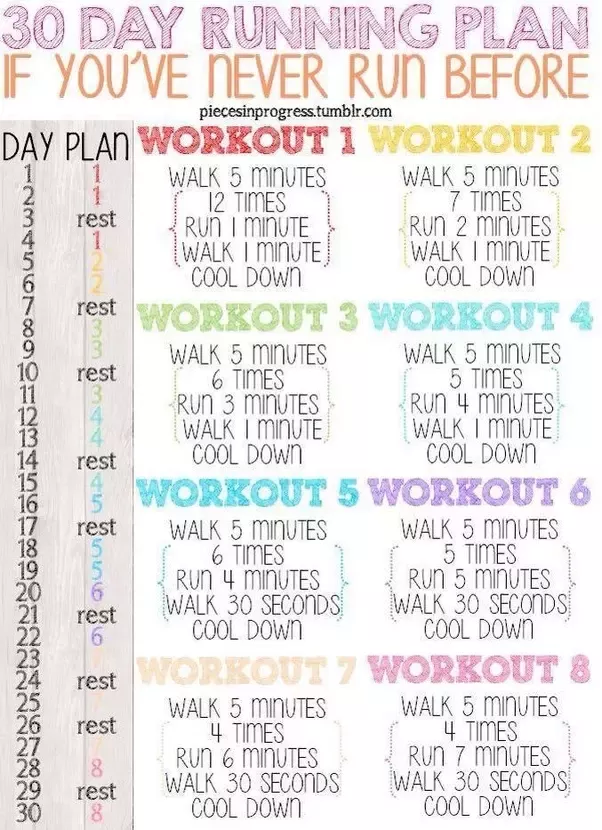
Credit: sunnyhealthfitness.com
Alternative Recovery Methods
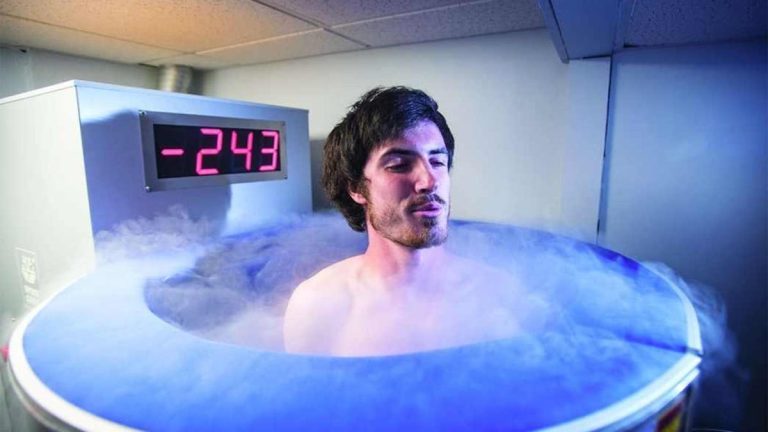
When it comes to recovering from overtraining, a rest day isn’t always enough. Incorporating alternative recovery methods can significantly aid in alleviating muscle soreness and preventing burnout. These methods can help athletes, fitness enthusiasts, and anyone who engages in regular physical activity achieve a quicker recovery and prevent the negative effects of overtraining.
Foam Rolling
Foam rolling is a self-myofascial release technique that helps in breaking down adhesions and scar tissue to improve blood flow and flexibility while reducing muscle tension. It’s an effective recovery method that can be easily incorporated into your post-workout routine to help release muscle tightness and enhance recovery.
Massage Therapy
Massage therapy is a powerful approach to aid in recovery beyond just a rest day. The benefits of massage include improved blood circulation, reduced muscle tension, and alleviation of soreness. Regular massage sessions can help athletes and fitness enthusiasts in preventing injuries and enhancing overall physical performance.
Nutrition For Optimal Recovery
Proper nutrition is crucial for athletes and fitness enthusiasts to recover effectively and optimize their performance. When it comes to recovery beyond a rest day, paying attention to your nutrition can make a significant difference. In this section, we will explore the importance of hydration and protein intake for optimal recovery.
Hydration
Staying hydrated is fundamental for recovery. Water plays a key role in nearly every bodily function, including maintaining body temperature, transporting nutrients, and flushing out toxins. Dehydration can lead to muscle cramps, fatigue, and impaired performance.
- Drink plenty of water throughout the day to stay properly hydrated.
- Avoid sugary drinks and instead opt for water, herbal tea, or electrolyte-rich sports drinks.
- Monitor the color of your urine. Pale yellow indicates good hydration, while dark urine suggests dehydration.
Protein Intake
Protein is essential for muscle repair and growth. Adequate protein intake after exercise can help minimize muscle breakdown, stimulate protein synthesis, and enhance recovery. Here’s how to ensure you’re getting enough:
- Incorporate protein-rich foods into your meals and snacks, such as lean meats, eggs, dairy products, legumes, and tofu.
- Consider consuming a protein-rich snack or shake within 30 minutes of completing your workout to support muscle recovery.
- Divide your protein intake evenly throughout the day to maximize its effectiveness.
In addition to hydration and protein intake, it’s important to listen to your body and provide it with the nutrients it needs. Incorporating a balanced diet rich in fruits, vegetables, whole grains, and healthy fats can further support your recovery process.

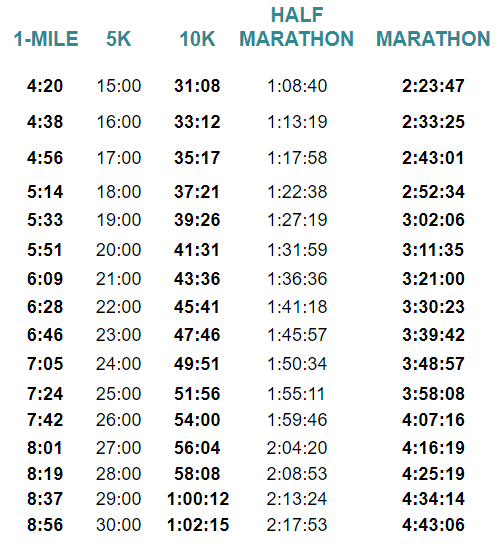
Credit: www.runtothefinish.com
Frequently Asked Questions For Signs Of Overtraining + Recovery Beyond A Rest Day
How To Spot The Signs Of Overtraining?
Overtraining can be identified by persistent fatigue, decreased performance, increased injuries, and changes in mood.
What Are The Risks Of Overtraining?
Overtraining can lead to chronic fatigue, weakened immune system, hormonal imbalances, and increased risk of injuries.
How Can You Recover From Overtraining?
To recover from overtraining, prioritize rest days, focus on proper nutrition, incorporate active recovery exercises, and listen to your body’s signals.
Conclusion
Recognizing the signs of overtraining is crucial for athlete’s well-being. Beyond taking a rest day, embracing recovery strategies such as proper nutrition, adequate sleep, and cross-training can make all the difference. By prioritizing recovery and finding a balance, athletes can optimize their performance and prevent the negative effects of overtraining.