
Hip Stability Exercises For It Band Syndrome And Runners Knee
Hip stability exercises are crucial for addressing IT band syndrome and runner’s knee. Strengthening the muscles around the hips plays a key role in improving stability and reducing pain associated with these conditions.
Implementing targeted exercises such as clamshells, hip bridges, and lateral leg raises can help in rehabilitating and preventing future injuries for runners. By incorporating a regular routine of hip stability exercises, individuals can enhance their overall performance and maintain joint health during their running activities.
It is essential to prioritize hip strength and stability to support long-term running success and prevent recurring issues with IT band syndrome and runner’s knee.

Credit: m.youtube.com
Common Knee Injuries In Runners
It Band Syndrome
IT band syndrome is a common injury among runners, characterized by pain on the outer side of the knee. This condition is often caused by tightness or weakness in the IT band and surrounding muscles, leading to poor hip stability. Runners experiencing IT band syndrome may benefit from specific exercises that target hip stability.
Runner’s Knee
Runner’s knee, also known as patellofemoral pain syndrome, causes pain around or behind the kneecap. This injury is often associated with overuse, muscle imbalances, or improper running mechanics. Implementing hip stability exercises can help prevent or alleviate the symptoms of runner’s knee, allowing runners to maintain their training without disruptions.
Credit: m.youtube.com
Understanding Hip Stability
Understanding hip stability: Hip stability plays a crucial role in preventing injuries like IT band syndrome and runner’s knee. It involves the strength and coordination of various hip muscles to provide support and alignment for the lower body during physical activities.
Importance Of Hip Stability
Hip stability is key for runners as it assists in maintaining proper alignment and reducing stress on the knees and IT band.
Role Of Hip Muscles
Hip muscles such as the gluteus medius and maximus help in stabilizing the pelvis and controlling hip movements during running.
Signs And Symptoms Of It Band Syndrome And Runner’s Knee
Signs and symptoms of IT band syndrome and runner’s knee
It Band Syndrome Symptoms
- Pain on the outside of the knee
- Tenderness when pressing on the outside of the knee
- Swelling around the knee area
- Popping or clicking sensation in the knee
Runner’s Knee Symptoms
- Dull, aching pain behind or around the kneecap
- Inflammation around the kneecap
- Pain worsens when running or going down stairs
- Stiffness or tightness in the knee joint
Hip Stability Exercises For It Band Syndrome
IT band syndrome can cause pain and discomfort for runners, but incorporating hip stability exercises into your routine can help alleviate these issues. Strengthening the muscles around the hips can improve stability and reduce strain on the IT band. Here are a few effective exercises to incorporate into your workout regimen:
Clamshells
Clamshell exercises target the hip abductors, including the gluteus medius. Start by lying on your side with your knees bent and heels together. Slowly lift the top knee while keeping the feet together, then lower it back down. This exercise helps improve hip stability and can alleviate IT band syndrome.
Side-lying Leg Lifts
Side-lying leg lifts are another great exercise for targeting the hip abductors. Lie on your side with your legs straight and lift the top leg towards the ceiling, then lower it back down. This movement strengthens the hip muscles and contributes to improved IT band stability.
Bridges
Bridges are effective for targeting the glutes, hamstrings, and hip stabilizing muscles. Start by lying on your back with your knees bent and feet flat on the floor. Lift your hips towards the ceiling, hold for a moment, then lower them back down. This exercise engages the core and lower body, promoting hip stability and reducing strain on the IT band.
Hip Stability Exercises For Runner’s Knee
Improve your hip stability and combat runner’s knee with these effective exercises for IT band syndrome and knee pain. Strengthen your hip muscles to provide better support and alignment during running, reducing the risk of injury and enhancing performance.
If you’re struggling with runner’s knee, incorporating hip stability exercises into your training routine can provide relief and help prevent future injuries. By strengthening the muscles around your hip joint, you can improve stability, reduce stress on your knees, and enhance your overall running performance. In this article, we will explore two essential hip stability exercises for runner’s knee: hip abduction exercises and hip external rotation exercises.
Hip Abduction Exercises
Hip abduction exercises target the muscles responsible for moving your leg away from the midline of your body. These exercises help strengthen your gluteus medius and minimus muscles, which play a crucial role in stabilizing your pelvis during running. By performing these exercises, you can improve your hip’s ability to maintain its position and reduce excessive stress on your knees.
Here are a few effective hip abduction exercises you can try:
- Standing Side Leg Raises: Stand with your feet hip-width apart and raise one leg out to the side, keeping it straight. Hold for a few seconds and then lower it back down. Repeat for several repetitions on each leg.
- Clamshells: Lie on your side with your knees bent and your feet together. Keeping your feet touching, open your knees as far as you comfortably can. Pause briefly and then close them back. Repeat for several repetitions on each side.
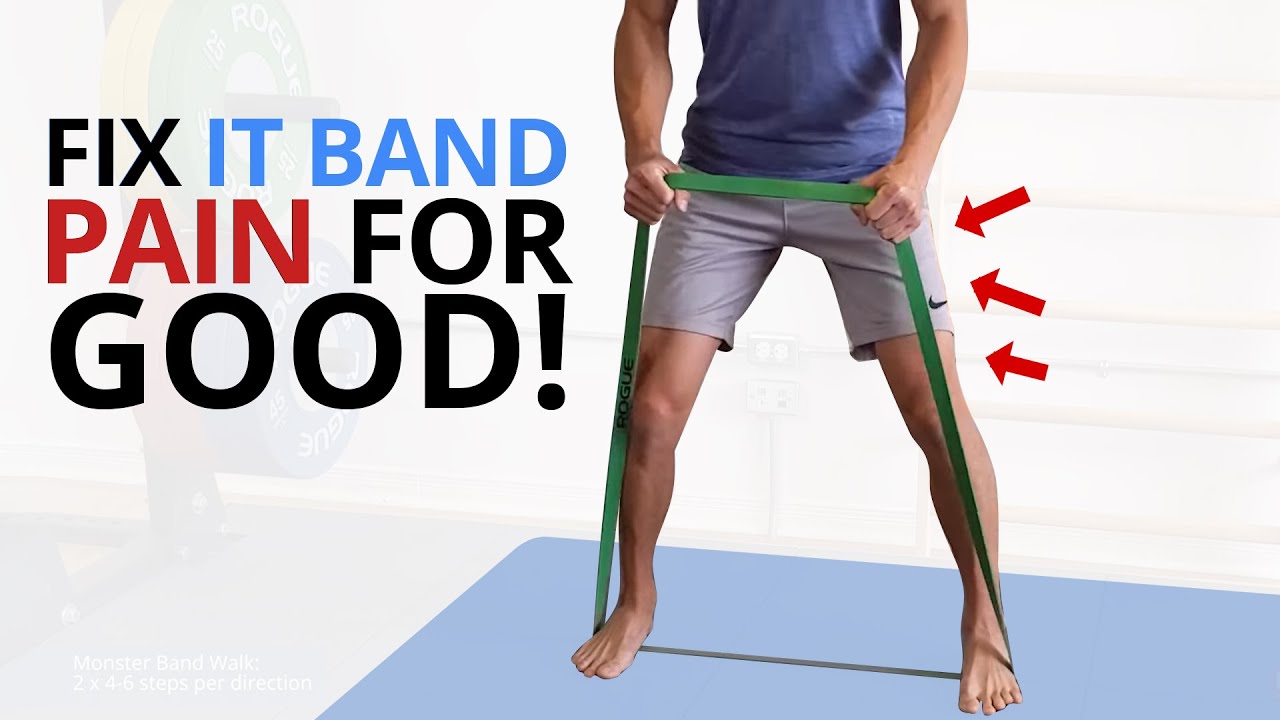
- Sideways Band Walks: Place a resistance band around your ankles and stand with your feet hip-width apart. Take small steps to the side, leading with your heel and keeping constant tension on the band. Repeat for several steps in each direction.
Hip External Rotation Exercises
Hip external rotation exercises focus on strengthening the muscles responsible for rotating your thigh outward. These exercises primarily target the deep hip rotator muscles and the gluteus maximus. By improving the strength and control of these muscles, you can enhance the stability of your hip joint and reduce the risk of runner’s knee.
Here are a few effective hip external rotation exercises you can incorporate into your training regimen:
- External Rotations with Resistance Band: Sit on the edge of a sturdy chair and place a resistance band around your knees. Keeping your feet together, push your knees outward against the resistance of the band. Hold for a few seconds and then release. Repeat for several repetitions.
- Fire Hydrants: Start on all fours with your hands directly under your shoulders and your knees under your hips. Keeping your knee bent, lift one leg out to the side, mimicking a dog lifting its leg at a fire hydrant. Pause briefly and then lower it back down. Repeat for several repetitions on each side.
- Pigeon Stretch: Begin in a seated position with one leg extended straight in front of you and the other leg bent, placing the foot near your groin. Gently lean forward, feeling a stretch in your buttocks and hips. Hold for a few seconds and then switch sides.
Remember to start with gentle exercises, gradually increasing the intensity and frequency as your hip stability improves. Listening to your body and maintaining proper form during each exercise is vital to prevent injury and maximize the effectiveness of your training. Incorporating these hip stability exercises into your routine can go a long way in alleviating runner’s knee and keeping you running strong.

Credit: prm.webpt.com
Frequently Asked Questions Of Hip Stability Exercises For It Band Syndrome And Runners Knee
How Can Hip Stability Exercises Help With It Band Syndrome?
Hip stability exercises can help by strengthening the muscles around the hip joint, improving alignment and reducing strain on the IT band.
What Are Some Effective Hip Stability Exercises To Try?
Some effective hip stability exercises for IT band syndrome and runner’s knee include clamshells, side-lying leg lifts, and monster walks.
How Often Should I Perform Hip Stability Exercises?
It is recommended to perform hip stability exercises at least 2-3 times per week, gradually increasing the intensity and duration as your strength improves.
Conclusion
Incorporating hip stability exercises into your workout routine can be a game-changer for managing IT band syndrome and runner’s knee. By targeting the muscles around the hips, you can improve support and alignment, reducing strain on the IT band and knees.
Consistent practice of these exercises can lead to better running performance and decreased risk of injury.