
Beginner Plyometric Exercises for Runners

Beginner Plyometric Exercises for Runners

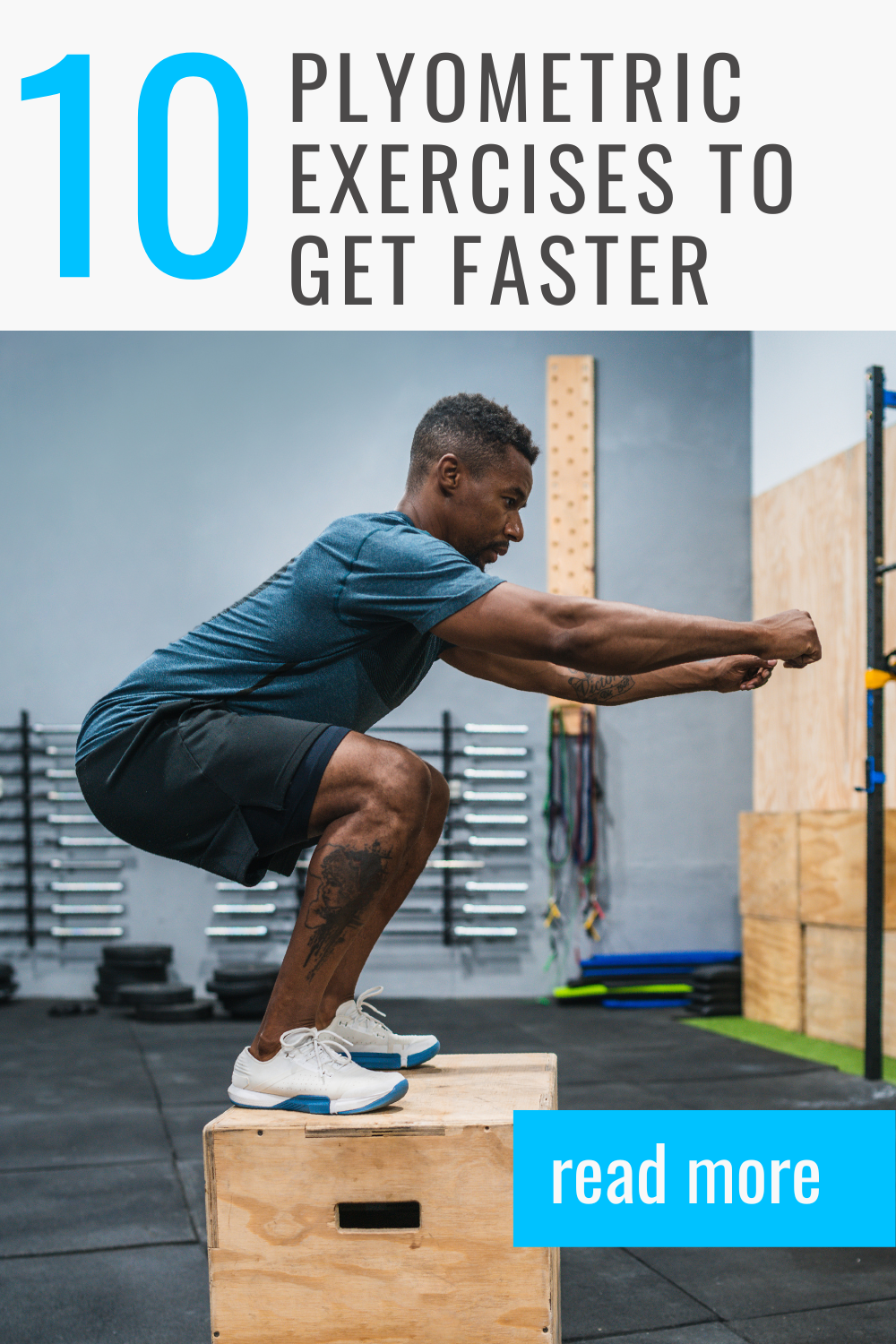
Looking to incorporate plyometric exercises into your running routine? Try beginner-friendly exercises like jump squats and box jumps.

These explosive movements can help improve your running speed, power, and agility while enhancing overall performance. Plyometric exercises are great for strengthening muscles, increasing coordination, and boosting cardiovascular fitness. Adding these exercises to your training regimen can take your running to the next level and help prevent injuries.

So lace up your shoes, get ready to jump, and elevate your running game with these effective plyometric exercises designed for runners of all levels.

Beginner Plyometric Exercises for Runners

Credit: runninforsweets.com

Beginner Plyometric Exercises for Runners

Credit: www.runstreet.com

Frequently Asked Questions For Beginner Plyometric Exercises For Runners

What Are Plyometric Exercises For Runners?

Plyometric exercises are explosive movements that help runners improve power, speed, and agility by engaging the muscles in an eccentric (lengthening) and concentric (shortening) manner.

How Do Plyometric Exercises Benefit Runners?

Plyometric exercises help runners enhance their stride length, develop stronger muscles, improve cardiovascular fitness, and prevent injuries by increasing neuromuscular coordination.

Which Are The Best Beginner Plyometric Exercises For Runners?

Some of the best beginner plyometric exercises for runners include squat jumps, single-leg hops, and box jumps. These exercises effectively train leg muscles and improve running performance.

Conclusion

Incorporating simple plyometric exercises into your running routine can improve your speed, strength, and endurance. Whether it’s the squat jump, box jumps, or bounding, these exercises can enhance your running performance and reduce the risk of injury. By following this beginner-friendly guide, you are ready to take your running game to the next level.


Similar Posts

  • Creatine For Runners

    Creatine can benefit runners by improving strength and endurance, leading to enhanced performance. For runners looking to boost their athletic performance, creatine is a popular supplement known for its ability to enhance muscle strength, endurance, and overall athletic performance. When used correctly and in conjunction with proper training and nutrition, creatine can help runners achieve…

  • Marathon World Record

    The current Marathon World Record for men is 2:01:39, set by Eliud Kipchoge in 2018. In the world of long-distance running, the Marathon World Record is the ultimate goal that elite athletes strive to achieve. Breaking this record requires a combination of exceptional physical endurance, mental toughness, and meticulous training. The current record holder, Eliud…

  • Are Marathon Watches Good

    Marathon watches are known for their quality and durability, making them a good choice for consumers seeking reliability. Whether you’re a sports enthusiast or looking for a reliable timepiece for everyday wear, Marathon watches offer solid performance and longevity. Designed with precision and functionality in mind, Marathon watches are popular among adventurers and professionals alike….

  • Running In Compression Pants

    Running in compression pants can help improve circulation and provide muscle support during physical activity. By wearing compression pants, runners can experience reduced muscle fatigue and quicker recovery times, enhancing their overall performance and endurance. When runners wear compression pants, the tight fit helps increase blood flow and oxygen delivery to the muscles, leading to…

  • How to Prevent Marathon Cramps

    To prevent marathon cramps, stay hydrated and maintain proper electrolyte balance during training and on race day. Marathon cramps can be debilitating and hinder your performance, but with the right strategies, you can minimize their occurrence and run more comfortably. Whether you are a seasoned runner or training for your first marathon, understanding how to…

  • When to Use a Run Chart

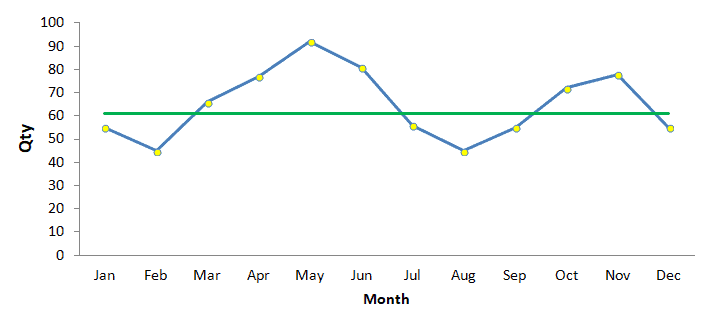
    A run chart is used to track performance over time, identifying trends and patterns for improvement. It is beneficial for continuous monitoring and quality improvement initiatives. By visualizing data in a simple format, organizations can easily detect shifts and variations, enabling timely interventions for process enhancement. Utilizing a run chart can help teams identify root…

Leave a Reply

Your email address will not be published. Required fields are marked *