Should You Ice Or Heat An Injury?
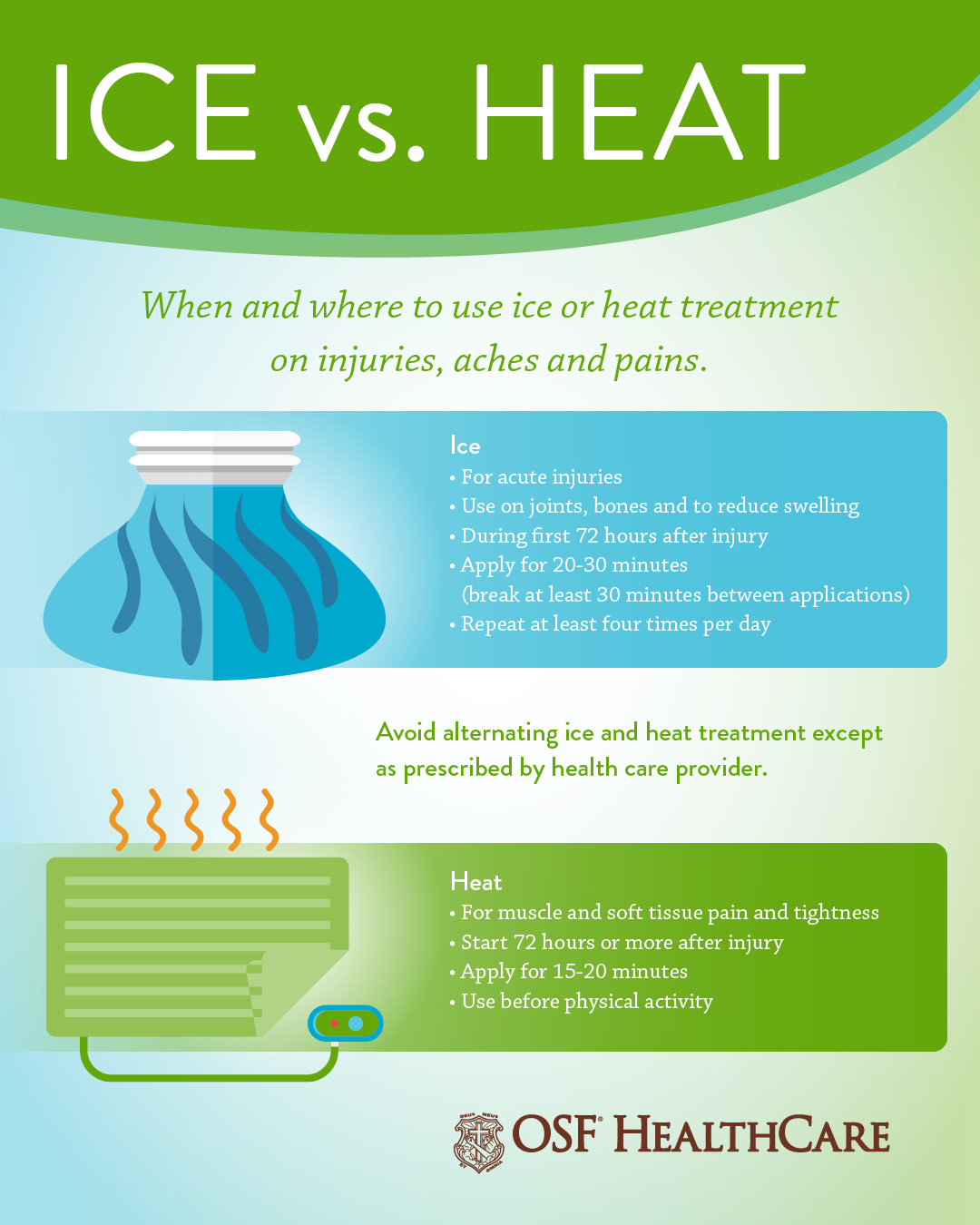
For acute injuries, use ice to reduce swelling and pain. Heat is suitable for chronic conditions and muscle stiffness.
Deciding whether to use ice or heat on an injury can be crucial for proper recovery and pain management. Ice therapy can help reduce inflammation and numb the area, making it effective for acute injuries like sprains or strains. On the other hand, heat therapy can improve circulation, promote healing, and alleviate chronic conditions or muscle tightness.
Understanding when to utilize ice or heat can significantly impact the healing process and provide the most effective relief for your specific injury. We will explore the benefits of both ice and heat therapy and provide guidelines on when to choose each method.
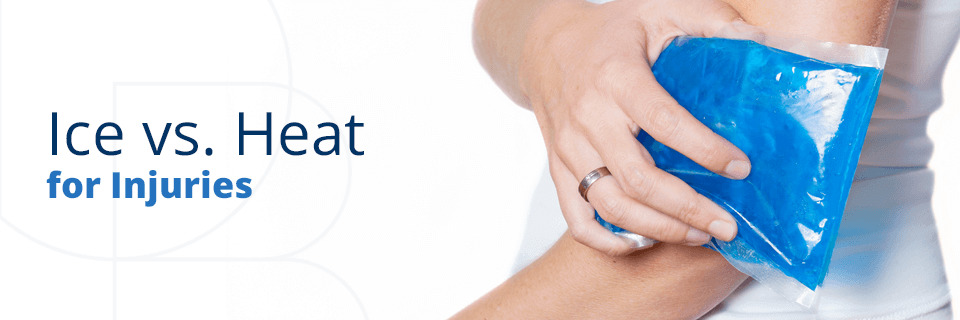
Credit: www.orthobethesda.com
Understanding Ice And Heat Therapy
How Ice Therapy Works
Ice therapy works by constricting blood vessels, reducing blood flow and decreasing tissue swelling. This leads to a numbing effect, which helps in reducing pain and inflammation.
How Heat Therapy Works
Heat therapy works by increasing blood flow and relaxing muscles. It helps to improve flexibility and promote healing by delivering nutrients to the affected area.
When To Use Ice Therapy
When to Use Ice Therapy: Ice therapy is an effective treatment for various injuries, aiding in pain relief and reducing inflammation. Understanding when to use ice therapy is crucial for proper injury management.
Acute Injuries
Acute injuries, such as sprains or strains, benefit from ice therapy within the first 48 hours to reduce swelling and alleviate pain promptly.
Inflammation
Inflammation in the affected area can be effectively managed with ice therapy, as the cold temperature helps constrict blood vessels and decrease swelling.
Swelling
Swelling due to injury can be minimized through ice therapy, which helps numb the area and reduce fluid buildup in the tissues.
When To Use Heat Therapy
Chronic Injuries
Heat therapy is beneficial for chronic injuries as it helps increase blood flow and relax tissues.
Muscle Spasms
Applying heat can help alleviate muscle spasms by promoting muscle relaxation.
Muscle Stiffness
Heat therapy is effective for combating muscle stiffness as it helps to loosen tight muscles.

Credit: gulfcoastorthopedics.com
Benefits And Drawbacks Of Ice Therapy
Ice therapy, also known as cryotherapy, is a common treatment for reducing pain and swelling resulting from an injury. While it offers various benefits, there are also potential drawbacks to consider. Understanding the benefits and drawbacks of ice therapy can help individuals make informed decisions about utilizing this treatment option.
Reducing Pain And Swelling
One of the primary benefits of ice therapy is its ability to reduce pain and swelling. Applying ice to an injury causes blood vessels to constrict, which can help decrease inflammation and alleviate discomfort. This can offer a natural and effective way to manage these symptoms without the need for medication.
Potential Risks And Precautions
While ice therapy can be beneficial, it is essential to be aware of potential risks and take necessary precautions. Prolonged exposure to ice or applying it directly to the skin for too long can lead to frostbite or tissue damage. It’s crucial to use a barrier such as a towel between the ice pack and the skin and limit application to no more than 20 minutes at a time.
Benefits And Drawbacks Of Heat Therapy
Heat therapy can provide relief from pain and promote healing by increasing blood flow and relaxing muscles. However, it may not be suitable for acute injuries or inflammation, as it can worsen swelling. It’s essential to consult a healthcare professional to determine whether heat or ice is appropriate for your specific injury.
Heat therapy is a common approach used to treat various injuries and conditions. It involves the application of heat to the affected area, which can help provide relief and promote healing. However, it is essential to understand the benefits and drawbacks of heat therapy to determine whether it is suitable for your injury or condition.Relieving Muscle Tension
One of the primary benefits of heat therapy is its ability to relieve muscle tension. Applying heat to the affected area can help relax muscles, reducing stiffness and improving flexibility. It increases blood flow and oxygen supply to the muscles, promoting the removal of waste products and enhancing healing. Heat therapy can be particularly beneficial for those experiencing muscle spasms or stiffness due to injuries, overuse, or chronic conditions like fibromyalgia.Possible Side Effects
While heat therapy can offer several benefits, it is important to be aware of potential side effects. Prolonged exposure to heat can lead to burns, so it is crucial to use heat therapy cautiously and follow the recommended guidelines. Additionally, excessive heat application can increase inflammation or swelling in certain cases. Individuals with certain medical conditions, such as diabetes, should consult their healthcare provider before using heat therapy as it may interfere with their condition. To summarize, heat therapy can provide relief for muscle tension and promote healing by improving blood flow and reducing stiffness. However, caution must be exercised to prevent potential side effects such as burns or increased inflammation. It is always wise to seek professional advice before incorporating heat therapy into your injury treatment regime.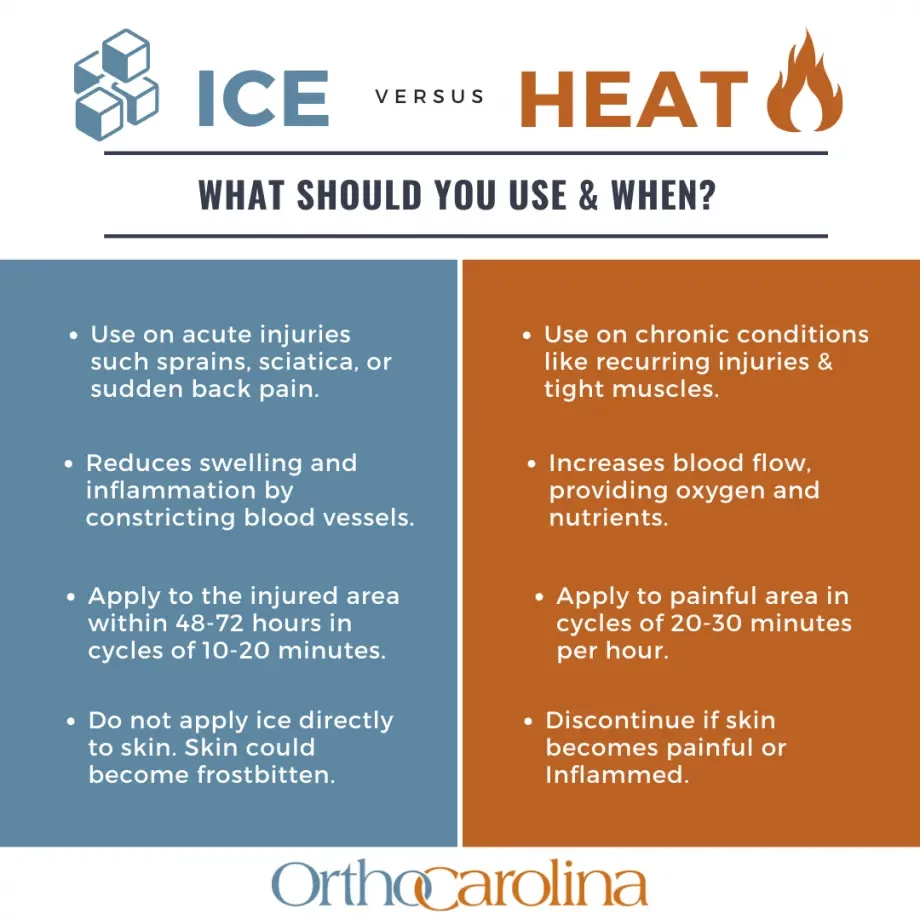
Credit: www.orthocarolina.com
Frequently Asked Questions On Should You Ice Or Heat An Injury
How Long Should I Ice An Injury?
You should ice an injury for about 15-20 minutes every 2-3 hours during the first 24-48 hours.
When Should I Use Heat For An Injury?
Heat is best used for chronic injuries or after the first 48 hours, as it helps to relax muscles and increase blood flow.
Can I Alternate Between Ice And Heat For An Injury?
Alternating between ice and heat may be beneficial, as it can help reduce inflammation and promote healing. However, be sure to consult with a healthcare professional for specific instructions.
Conclusion
In the end, understanding when to use ice or heat for an injury is essential for effective recovery. Both methods offer unique benefits, and it’s important to assess the type of injury and its stage to make the right decision.
Consulting with a healthcare professional is always a wise choice. Remember, a thoughtful approach to treating an injury can expedite healing and prevent further damage.