Heart Rate While Running
Your heart rate while running increases to supply more oxygen to your muscles efficiently. Maintaining an appropriate heart rate while running is crucial for optimizing your performance and achieving your fitness goals.
Understanding how to monitor and control your heart rate can help you achieve optimal results and prevent overexertion. By tracking your heart rate during exercise, you can ensure that you are pushing yourself enough to see improvements in your endurance and overall fitness level.
We will discuss the importance of monitoring your heart rate while running and provide tips for maximizing your workout efficiency.
The Importance Of Monitoring Heart Rate While Running
The Importance of Monitoring Heart Rate While Running
Understanding The Significance Of Heart Rate
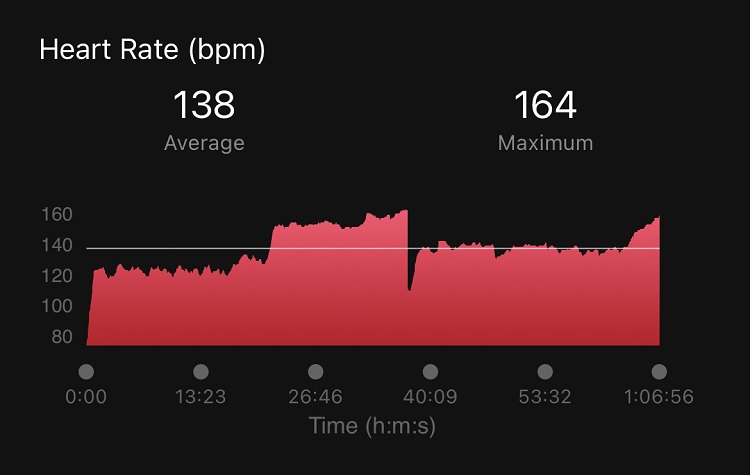
Heart rate is a vital indicator of physical exertion during running, providing insights into the intensity of the workout. By monitoring heart rate, runners can gauge their cardiovascular performance and ensure they stay within their target training zones for optimal results.
Benefits Of Monitoring Heart Rate During Running
Monitoring heart rate during running offers various benefits, including:
- Optimizing Training: By staying within specific heart rate zones, runners can tailor their workouts to enhance endurance, speed, and overall performance.
- Avoiding Overexertion: Tracking heart rate helps prevent pushing the body beyond its limits, reducing the risk of injury and burnout.
- Improving Recovery: By controlling heart rate, runners can optimize their recovery time between workouts, promoting better recovery and reducing the risk of overtraining.
Credit: www.runtothefinish.com
Factors Affecting Heart Rate During Running
Factors such as exercise intensity, fitness level, and environmental conditions affect heart rate during running. Understanding these influences can help optimize workouts and enhance cardiovascular health.
Determining Maximum Heart Rate
During running, various factors influence heart rate, such as fitness level, age, and environmental conditions.The Impact Of Fitness Level On Heart Rate
Fitness level plays a crucial role in determining heart rate response while running.Influence Of Age On Heart Rate
Age affects heart rate during running, with older individuals generally having a higher heart rate.Effect Of Environmental Conditions On Heart Rate
Environmental conditions like temperature and humidity can impact heart rate during running.Measuring Heart Rate While Running
When running, tracking your heart rate can help monitor performance and optimize training. Measuring Heart Rate While Running is crucial for athletes and fitness enthusiasts to ensure efficient workouts.
Using A Heart Rate Monitor
Heart Rate Monitors are devices worn on the wrist or chest that accurately measure heart rate in real-time.
A heart rate monitor displays data such as beats per minute during exercise, helping individuals stay in their target zone.
- Heart rate monitors offer precision for intensity control during running sessions.
- These devices aid in setting personal training zones based on individual fitness levels.
Alternative Methods Of Monitoring Heart Rate
Pulse Check: Place two fingers on the wrist or neck to manually count beats for 15 seconds, then multiply by four.
Perceived Exertion: Assess how hard you feel your body is working on a scale from 1 to 10.
- By using varied methods, runners can effectively track heart rate throughout their workouts.
- Diversifying monitoring techniques ensures accurate understanding of exertion levels.
Heart Rate Training Zones
When it comes to running, understanding your heart rate training zones is crucial for optimizing your performance and achieving your fitness goals. By training in different heart rate zones, runners can effectively target specific physiological systems and improve their overall cardiovascular endurance and efficiency.
Understanding Different Heart Rate Zones
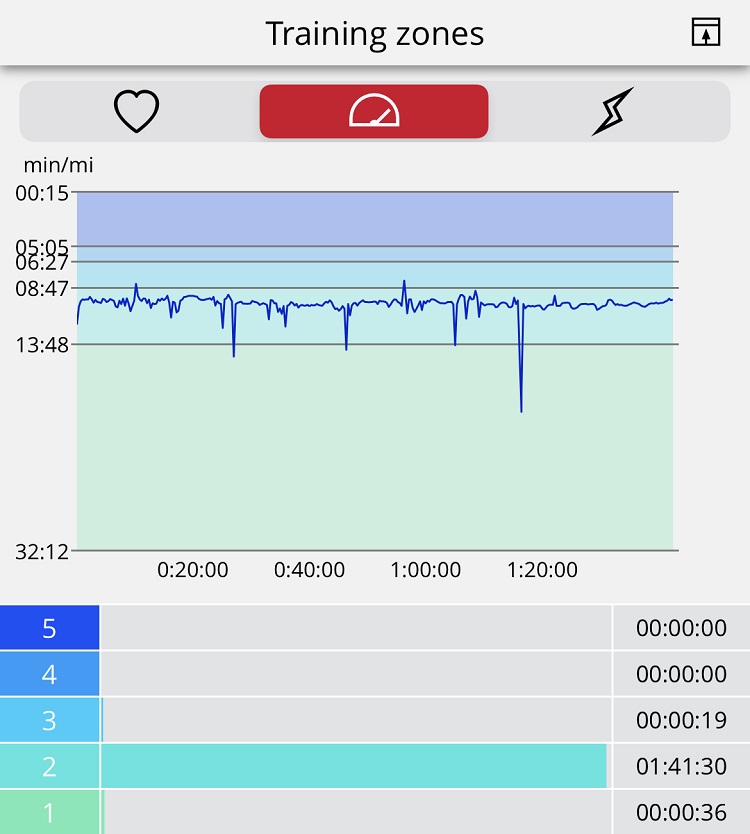
Heart rate training zones are defined based on a percentage of your maximum heart rate and are commonly categorized into five different zones:
| Zone | Intensity |
|---|---|
| Zone 1 | Very Light (50-60% of max HR) |
| Zone 2 | Light (60-70% of max HR) |
| Zone 3 | Moderate (70-80% of max HR) |
| Zone 4 | Hard (80-90% of max HR) |
| Zone 5 | Maximum Effort (90-100% of max HR) |
By understanding these different zones and training at specific intensities, runners can tailor their workouts to achieve specific physiological adaptations and performance improvements.
Benefits Of Training In Different Zones
- Zone 1 and 2: These zones are ideal for building an aerobic base and improving endurance.
- Zone 3: Focuses on improving lactate threshold and increasing the ability to sustain higher intensities for longer durations.
- Zone 4: Enhances anaerobic capacity and boosts high-intensity performance.
- Zone 5: Targets maximal effort and helps in improving sprint and speed performance.
Tips For Optimizing Heart Rate While Running
Are you looking to enhance your running performance and maximize the benefits of your workout? One important aspect to consider is your heart rate while running. By optimizing your heart rate, you can improve endurance, increase cardiovascular fitness, and minimize the risk of injury.
Incorporating Interval Training
Interval training is a highly effective method to optimize your heart rate while running. This technique involves alternating between high-intensity bursts of running and periods of active recovery. By challenging your cardiovascular system with intense intervals, you can elevate your heart rate during the high-intensity phases and allow it to recover during the lower-intensity periods. The constant variation keeps your heart rate within an optimal zone, helping to improve your aerobic capacity and overall performance.
Maintaining A Consistent Pace
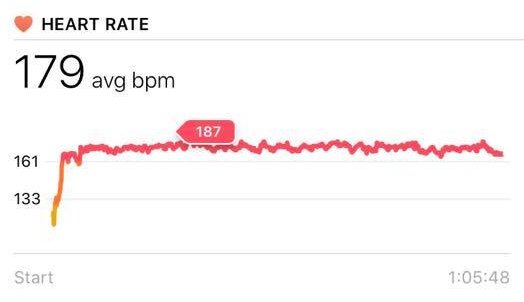
Maintaining a consistent pace is crucial for optimizing your heart rate while running. It prevents sudden spikes and drops in heart rate, allowing your cardiovascular system to work efficiently. By finding a pace that feels comfortable and sustainable, you can keep your heart rate within a target range, ensuring you achieve the desired training effect. Monitoring your heart rate during your runs and adjusting your pace accordingly will help you stay in the optimal zone.
Considering Proper Nutrition And Hydration
Proper nutrition and hydration are vital for optimizing your heart rate while running. A well-balanced diet rich in nutrient-dense foods, such as whole grains, lean proteins, and fruits and vegetables, provides the energy and nutrients your body needs to fuel your runs effectively. Staying hydrated before, during, and after your workouts helps maintain optimal blood volume and keeps your heart rate in check. Ensuring you consume the right nutrients and stay hydrated will contribute significantly to your heart rate optimization and overall performance.
Credit: www.runtothefinish.com
Credit: runningversity.com
Frequently Asked Questions On Heart Rate While Running
How Does Running Affect Heart Rate?
Running increases heart rate as the body needs more oxygen to supply the working muscles.
What Is A Normal Heart Rate While Running?
A normal heart rate while running varies from person to person, but typically ranges between 140-180 beats per minute.
How Can I Improve My Heart Rate While Running?
To improve your heart rate while running, focus on increasing your aerobic fitness by regularly training and gradually increasing intensity.
Conclusion
Understanding your heart rate while running is crucial for maximizing performance and preventing injury. By keeping your heart in the target zones, you can optimize your training and improve endurance. Monitoring your heart rate can help you achieve your fitness goals and make your running experience more enjoyable.