What Happens If You Run a Marathon Without Training
Running a marathon without training can lead to serious injuries and health risks. It may cause muscle strain, exhaustion, dehydration, or even heart problems.
Participating in a marathon without proper training can be tempting, but the consequences can be severe. Without the necessary preparation, the body is not equipped to handle the physical and mental demands of running such a long distance. Muscles that are not conditioned for the stress of a marathon may easily become strained or torn, leading to pain and potential long-term damage.
Additionally, the cardiovascular system may struggle to keep up, increasing the risk of heart-related issues. Proper training is crucial to safely and successfully complete a marathon and avoid negative health outcomes.

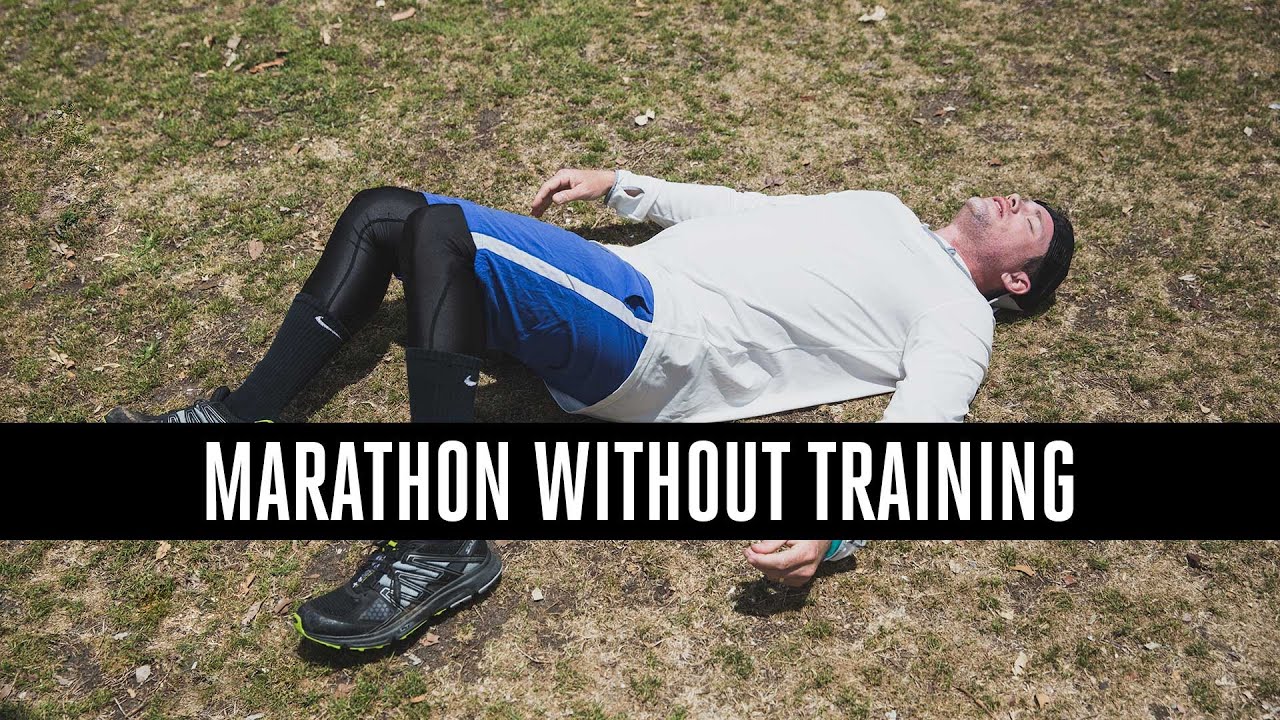
Credit: www.youtube.com
Physical Effects
When you attempt to run a marathon without proper training, your body will experience significant physical effects. This can result in various injuries and damage to your muscles and joints, impacting your overall health and well-being.
Muscle Damage
Risking muscle damage is a real concern when running a marathon without adequate training. During the event, muscles may become strained, leading to microtears and soreness. This can make it difficult to move and may even require rest and medical attention.
Joint Injuries
Running a marathon without training significantly increases the risk of joint injuries. The impact of intense physical activity on unconditioned joints can lead to sprains, strains, and even traumatic damage. Your knees, ankles, and hips are particularly vulnerable to these types of injuries, which can have lasting consequences.
Cardiovascular Impact
A sudden marathon without training imposes excessive strain on the heart.
Increased risk of a heart attack due to sudden extreme physical exertion.
Mental Challenges
Mental Challenges of Running a Marathon Without Training
Loss Of Motivation
Immediate realization of inadequate preparation often leads to demotivation.
Mental Fatigue
Persistent mental exhaustion due to the overwhelming physical demands.
Recovery Time
Understanding the recovery time after running a marathon without training is crucial for anyone considering this challenge. It is essential to realize the potential consequences and what to expect in terms of recovery.
Muscle Soreness
One of the immediate effects of running a marathon without proper training is severe muscle soreness. This occurs due to the excessive strain put on the muscles, leading to microscopic tears. The body’s lack of preparation exacerbates this soreness, making it significantly more intense and long-lasting.
Longer Healing Process
The healing process for muscles and other tissues involved in marathon running can take much longer without prior training. This happens due to the body’s struggle to repair and rebuild damaged tissues. The lack of preparation creates a greater amount of damage, which extends the general healing timeline.
Inadequate Performance
Running a marathon without proper training can lead to inadequate performance and potential injuries. Without building up stamina and endurance, the body may struggle to keep up, resulting in exhaustion, muscle cramps, and slower times. Proper training is essential for a successful marathon experience.
Decreased Speed And Endurance
Running a marathon without proper training can lead to a significant decrease in both your speed and endurance levels.
When you haven’t trained your body to handle the demands of running such a long distance, it can quickly become overwhelmed. As a result, your muscles may tire much earlier than expected, causing your speed to plummet. Without adequate training, your body won’t be efficient in utilizing oxygen and energy, further hampering your overall performance.
The lack of training also means that your body hasn’t adapted to the repetitive impact and strain that running places on your joints and muscles. This can result in early fatigue and a decline in your endurance. Your heart and lungs, which play a crucial role in supplying oxygen to your working muscles, won’t be conditioned enough to sustain you throughout the marathon.
Increased Risk Of Injury
Running a marathon without proper training significantly increases your risk of injury.
Without training, your muscles, tendons, and ligaments won’t be prepared for the intense physical demands of a marathon. They may not have sufficient strength and flexibility, making them more prone to strains, sprains, and tears.
Additionally, the repetitive nature of running a marathon puts prolonged stress on your joints, such as your knees and hips. Without proper training, these joints may not have developed the necessary stability or mobility, leaving them vulnerable to overuse injuries such as runner’s knee or IT band syndrome.

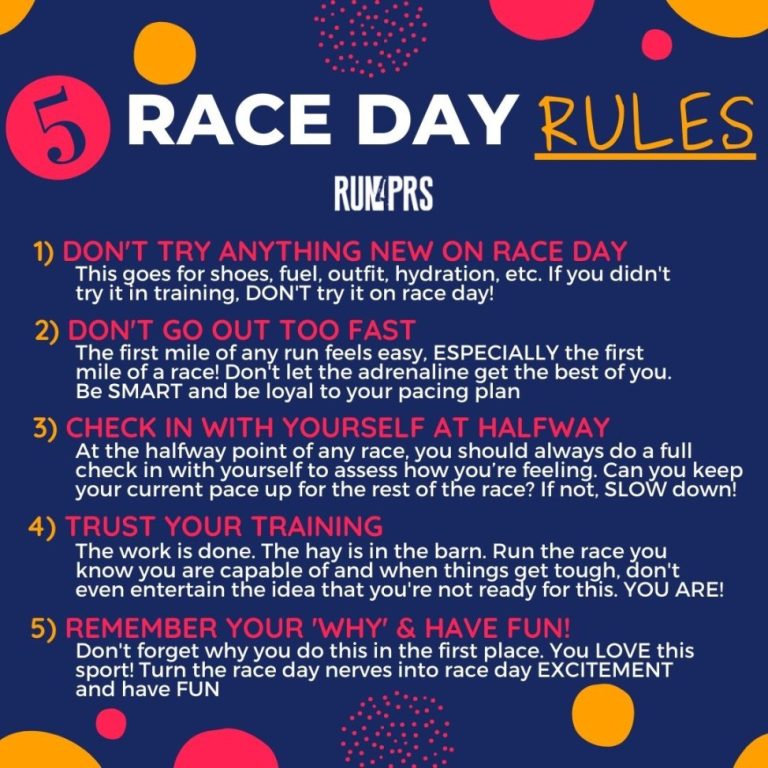
Credit: www.active.com

Credit: runninforsweets.com
Frequently Asked Questions Of What Happens If You Run A Marathon Without Training
Can You Do A Marathon With No Training?
No, doing a marathon without training is not recommended. It can lead to injuries and fatigue. It’s important to prepare your body and build endurance. Proper training reduces the risk of injury and helps you finish strong.
Did David Goggins Run A Marathon Without Training?
Yes, David Goggins completed a marathon without training, showcasing his mental strength and determination.
What To Do When Not Training For A Marathon?
When not training for a marathon, focus on rest, recovery, cross-training, strength training, and proper nutrition.
Conclusion
Running a marathon without training can lead to serious physical and health risks. It’s vital to prioritize proper training and preparation to ensure a safe and enjoyable experience. By respecting your body’s limitations and taking the time to train effectively, you’ll significantly decrease the likelihood of injury and exhaustion.
Remember, proper preparation is key to a successful marathon experience.