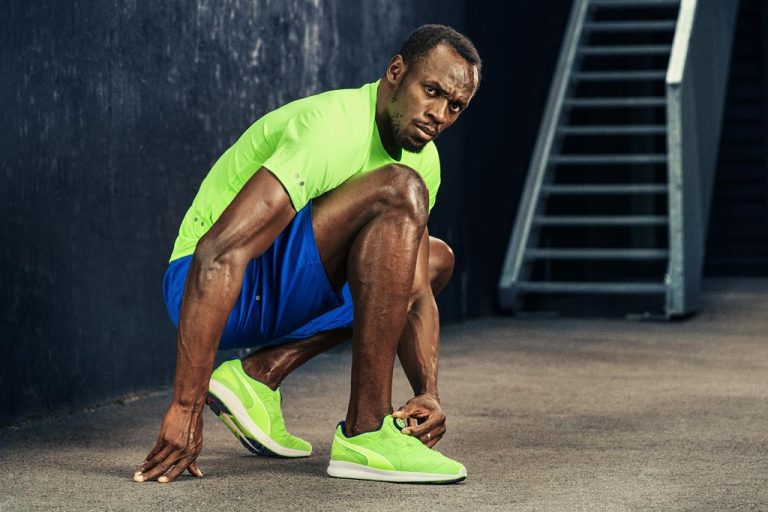

How Important are Shoes in Marathon?
Shoes are crucial in marathons, providing support, cushioning, and stability for runners’ feet, ankles, and legs. Proper shoes can reduce the risk of injury and enhance performance.
Marathon runners rely heavily on their shoes as they pound the pavement for long distances. The right shoes can make a significant difference, providing the necessary support and cushioning to help runners go the distance. In contrast, ill-fitting or inadequate footwear can lead to discomfort, blisters, and even serious injuries.
With the impact of each stride, the importance of selecting the appropriate shoes cannot be overlooked. Therefore, marathon runners should carefully consider their footwear to ensure their comfort and safety throughout the race.
The Impact Of Shoes On Marathon Performance
|
Shoes play a crucial role in marathon performance. Proper footwear can impact speed and endurance significantly. Historically, marathon shoes have evolved over time to enhance runner comfort and performance. Technological advancements have revolutionized marathon shoes, offering better support, cushioning, and stability. |
Selecting The Right Shoes For Marathon Training
When selecting the right shoes for marathon training, there are key factors to consider. One of the most important factors is choosing the appropriate shoe type. The type of shoe you select will depend on several factors, including your running style, foot shape, and any specific foot conditions you may have. It’s important to seek professional advice from a knowledgeable running store or podiatrist who can analyze your running gait and recommend the right shoe type for you.
Additionally, it’s crucial to consider the level of cushioning and support that the shoes provide. Marathon training can put a lot of stress on your feet and joints, so having adequate cushioning is essential to prevent injury and provide comfort during long runs. Look for shoes that offer a good balance of cushioning and support, based on your individual needs and preferences.
Moreover, the durability and stability of the shoes are important factors to consider. Marathon training involves many miles of running, so you’ll want a pair of shoes that can withstand the demands of regular use. Look for shoes with durable outsoles and sturdy construction to ensure they can handle the distance.
In conclusion, selecting the right shoes for marathon training plays a crucial role in your overall performance and injury prevention. Take the time to consider factors such as the appropriate shoe type, cushioning and support, durability, and stability. By investing in the right pair of shoes, you can maximize your comfort and improve your marathon experience.
Benefits Of Proper Marathon Footwear
Proper marathon footwear enhances performance by providing the necessary support and cushioning to help runners maintain their pace and form throughout the race. In addition, it plays a crucial role in injury prevention by reducing the risk of blisters, calluses, and other foot-related issues that can hinder a runner’s performance. A well-fitted pair of running shoes can also minimize the impact on joints and muscles, decreasing the likelihood of overuse injuries.

Credit: feetfirstclinic.com
The Role Of Cushioning And Support In Marathon Shoes
Proper cushioning in marathon shoes is crucial to preventing injuries and reducing fatigue during long-distance running. It helps absorb the impact on joints and muscles, enhancing comfort and endurance. Additionally, adequate support also plays a significant role in maintaining stability and reducing the risk of overpronation or supination. Choosing shoes with the right amount of cushioning and support can immensely affect the overall performance and comfort of a runner, potentially leading to improved times and reduced discomfort during and after the race.
Maintaining And Replacing Marathon Shoes
Shoes play a crucial role in marathon running, and maintaining and replacing them is essential for optimal performance and injury prevention. Recognizing signs of wear and tear is important to determine when to replace your marathon shoes. Look for visible damages such as worn-out soles, frayed laces, or inner cushioning that has lost its support. The frequency of replacement depends on various factors, including the type of shoe, running terrain, and individual running style. On average, marathon shoes should be replaced every 300-500 miles or every 4-6 months for regular runners. However, it is recommended to listen to your body and be aware of any discomfort or pain that might indicate the need for immediate replacement. Neglecting the condition of your shoes can lead to potential injuries and impact your overall marathon performance.

Credit: www.irunfar.com
Optimizing Shoe Performance On Race Day
Optimizing shoe performance on race day involves strategies for the break-in period. For comfort and stability, focus on different tying techniques.

Credit: www.nike.com
Frequently Asked Questions On How Important Are Shoes In Marathon?
Do Shoes Matter For Marathon?
Yes, shoes are crucial for a marathon to provide support, cushioning, and stability, reducing the risk of injury.
How Many Shoes Do You Go Through Training For A Marathon?
You may go through 2-3 pairs of shoes while training for a marathon to ensure proper support and prevent injury.
How Much Should I Run In Shoes Before A Marathon?
It is recommended to run at least 300-500 miles in your marathon shoes before the race. This allows your shoes to break in properly and ensures they are comfortable and supportive on race day.
Conclusion
The importance of shoes in marathons cannot be overstated. They provide essential cushioning and support, reducing the risk of injury and enhancing performance. Choosing the right pair of shoes tailored to your feet and running style is crucial for both professional athletes and casual runners.
Investing in quality footwear ensures a more comfortable and efficient running experience, allowing you to reach your marathon goals. So, be sure to pay attention to your shoes and keep them in good condition for a successful marathon journey.