Lungs Burn When Running
During running, the lungs burn due to increased oxygen demand and buildup of lactic acid. This sensation is caused by the working muscles needing more oxygen to sustain activity and producing lactic acid as a byproduct.
When engaging in physical activity, such as running, the body requires more oxygen to fuel the muscles. As the demand for oxygen increases, the lungs work harder to supply it to the muscles, leading to a burning sensation. Additionally, during intense exercise, the body may produce lactic acid as a result of the muscles working without enough oxygen, contributing to the sensation of burning in the lungs.
Understanding why the lungs burn when running can help individuals optimize their breathing techniques and endurance during exercise.
Why Do Lungs Burn When Running
Muscle Fatigue
When running, the muscles involved in breathing, particularly the diaphragm and intercostal muscles, experience increased workload. This can lead to muscle fatigue, causing a sensation of burning in the lungs.
Increased Oxygen Demand
Running increases the body’s demand for oxygen, leading to a higher rate of respiration. This can result in the lungs working harder to supply the needed oxygen, leading to a burning sensation.

Credit: marathonhandbook.com
Causes Of Lung Burning Sensation
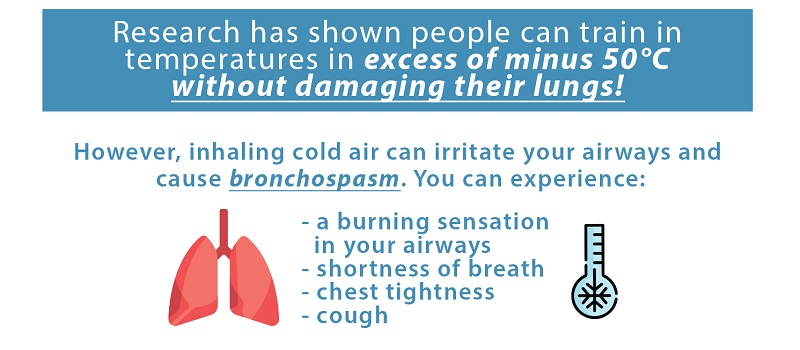
Lungs burn when running due to various factors that can lead to a sensation of discomfort and fatigue. Understanding the reasons behind this sensation can help in effectively addressing and managing it.
Lactic Acid Buildup
Lactic acid buildup occurs when the body produces excess lactic acid during intense physical activity, leading to muscle fatigue and a burning sensation in the lungs.
Inadequate Warm-up
An inadequate warm-up before running can cause the lungs to burn as the body is not sufficiently prepared for the increased oxygen demand during exercise.
Dehydration
Dehydration can result in a burning sensation in the lungs as the body struggles to maintain proper hydration levels, affecting overall performance and endurance.
Preventing Lungs From Burning
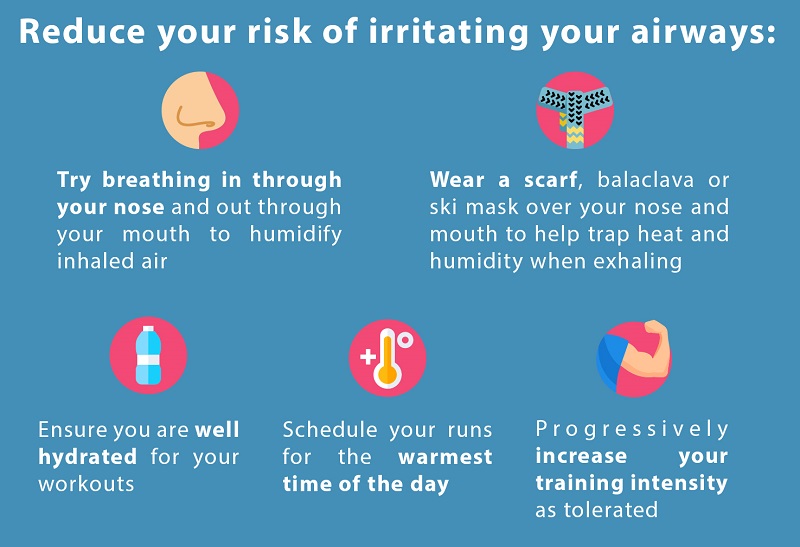
Prevent the burning sensation in your lungs during running by adopting proper breathing techniques and gradually increasing your stamina. Protect your lungs by staying hydrated, warming up before exercising, and avoiding exposure to pollutants.
Proper Warm-up And Stretching
A proper warm-up and stretching routine are essential to prevent lung burn.Gradual Increase In Intensity
Increasing intensity gradually helps lungs adjust to the demands of running.Hydration
Stay hydrated to support lung function and prevent burning sensation during running.Breathing Techniques For Running
Diaphragmatic Breathing
Diaphragmatic breathing, also known as deep breathing, involves engaging the diaphragm to breathe deeply into the lungs. This technique allows for more efficient oxygen exchange, enhancing endurance and reducing the likelihood of experiencing a burning sensation in the lungs while running.
Inhale Through The Nose, Exhale Through The Mouth
Inhaling through the nose and exhaling through the mouth is a fundamental breathing technique for runners. Doing so facilitates optimal oxygen intake and carbon dioxide expulsion, promoting better respiratory efficiency and mitigating the sensation of lung burn during workouts.
Tips To Reduce Lung Burning
When it comes to running, many people experience lung burning, which can be uncomfortable and hinder performance. However, there are several tips you can follow to reduce lung burning and make your runs more enjoyable. By focusing on your posture, fueling your body properly, and incorporating regular cardiovascular exercise into your routine, you can minimize lung burning and improve your running experience.
Focus On Posture
Proper posture plays a crucial role in reducing lung burning during running. When you maintain good posture, your lungs can fully expand, allowing for efficient oxygen intake and minimizing strain on your respiratory muscles. Here are some key tips to help you improve your running posture:
- Keep your head held high and your gaze forward, avoiding looking down at the ground.
- Relax your shoulders and keep them down, away from your ears.
- Engage your core muscles to support your upper body and maintain an aligned spine.
- Land on the middle of your foot, rather than your heel, to maintain proper alignment.
- Take shorter strides to minimize impact and improve overall posture.
Proper Fueling
Fueling your body with the right nutrients before and during your run can contribute to reducing lung burning. Here are some important tips to consider when it comes to fueling:
- Stay hydrated by drinking enough water throughout the day and before your run.
- Eat a balanced meal or snack containing carbohydrates, protein, and healthy fats about 1-2 hours before your run to provide adequate energy.
- Avoid consuming large meals too close to your run, as this can cause discomfort and affect your breathing.
- Consider consuming easily digestible carbohydrates, such as bananas or energy gels, during longer runs to maintain energy levels.
- Listen to your body and adjust your fueling strategy based on what works best for you.
Regular Cardiovascular Exercise
A consistent cardiovascular exercise routine can help strengthen your lungs, increase lung capacity, and reduce lung burning during running. Here are some activities to consider adding to your routine:
- Brisk walking
- Cycling
- Swimming
- Jumping rope
- Dancing
These activities can progressively challenge your cardiovascular system and improve your overall fitness, making your lungs more efficient during running. Aim for at least 150 minutes of moderate-intensity aerobic exercise per week, as recommended by health experts.

Credit: www.runnersworld.com
Credit: www.runtothefinish.com
Frequently Asked Questions For Lungs Burn When Running
How Can I Prevent My Lungs From Burning While Running?
To prevent lung burning while running, start with proper warm-up, breathing techniques, and gradually increase your pace and distance.
Why Do My Lungs Burn When I Run?
Lung burning when running can occur due to increased breathing rate, poor fitness level, dehydration, or irritants in the air.
Is It Normal For Lungs To Burn When Running?
Yes, it is normal for your lungs to burn when running due to increased oxygen demand, buildup of lactic acid, and stress on respiratory muscles.
Conclusion
Incorporating proper breathing techniques and gradually increasing your running intensity can help reduce the burning sensation in your lungs. Stay hydrated, practice warm-up exercises, and focus on overall lung health to improve your running experience. By paying attention to these factors, you can enjoy a more comfortable and satisfying running routine.