What are Samurai Shoes?

What are Samurai Shoes?

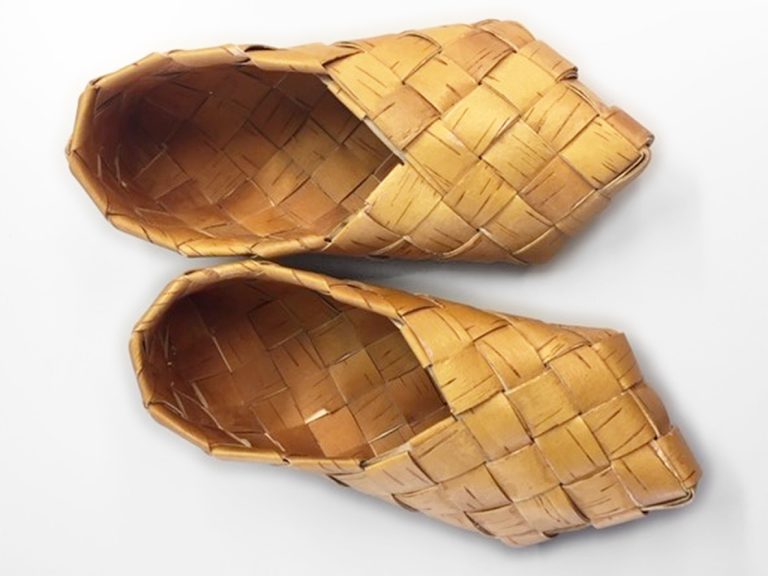
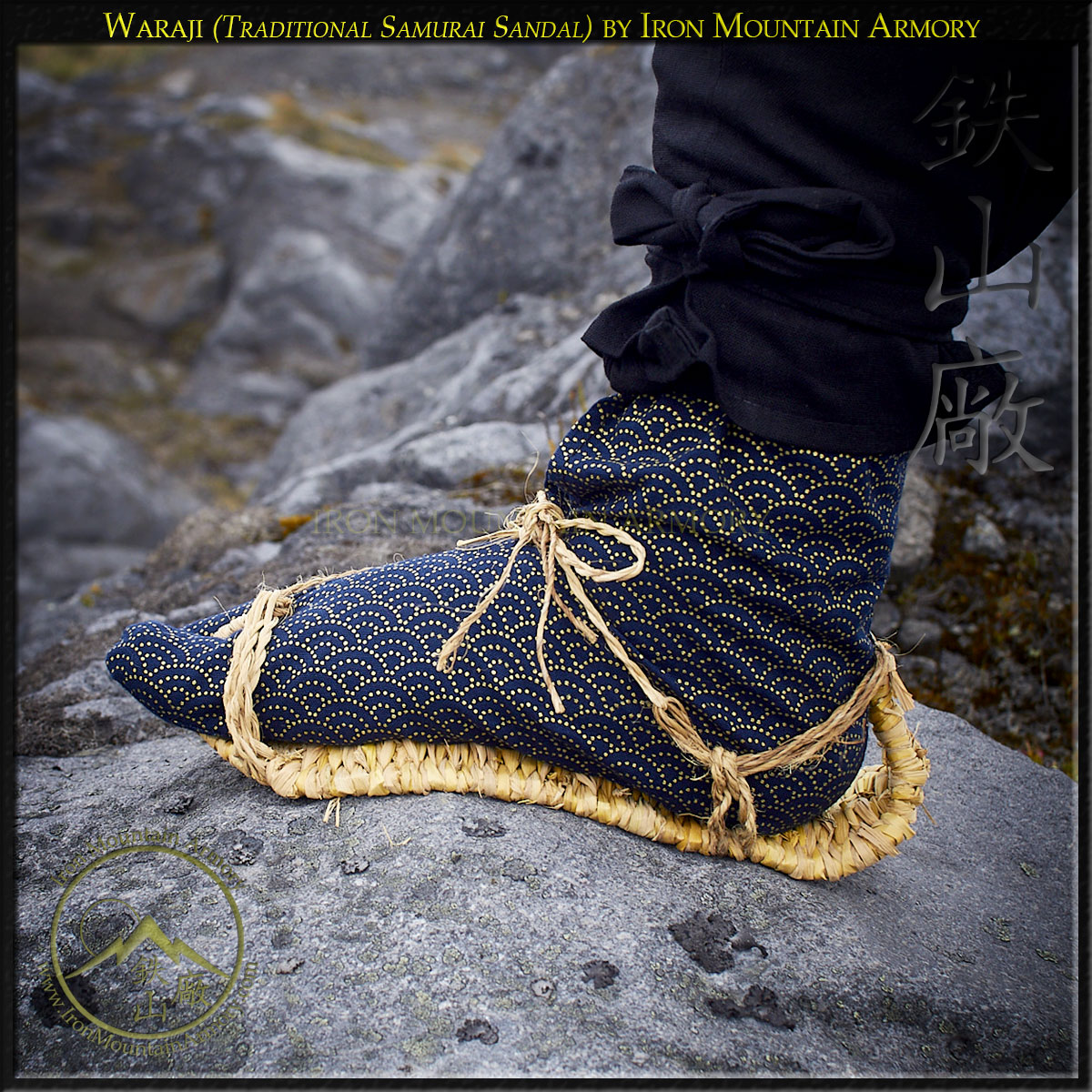
Samurai Shoes are traditional Japanese footwear worn by samurai warriors during feudal Japan. Samurai Shoes, also known as “waraji,” are a type of footwear worn by samurai warriors during feudal Japan.

These shoes were traditionally made from straw or hemp and were designed to provide comfort, protection, and stability during battle. Samurai Shoes featured a unique toe divider and were tied securely to the foot using woven cords. Today, Samurai Shoes are considered a symbol of Japanese culture and are often worn for traditional ceremonies or cultural events.

With their distinctive design and historical significance, Samurai Shoes continue to be revered as a testament to the warrior spirit of the samurai.
What are Samurai Shoes?

Credit: shop.samurai-armor.com

What are Samurai Shoes?

Credit: www.quora.com

Frequently Asked Questions On What Are Samurai Shoes?

What Did Samurai Wear For Shoes?

Samurai wore tabi socks and waraji sandals made of straw or leather for footwear.

Why Do Samurai Wear Flip-flops?

Samurai wear flip-flops for quick, silent movement in battle to keep their feet cool and agile.

What Did Samurai Actually Wear?

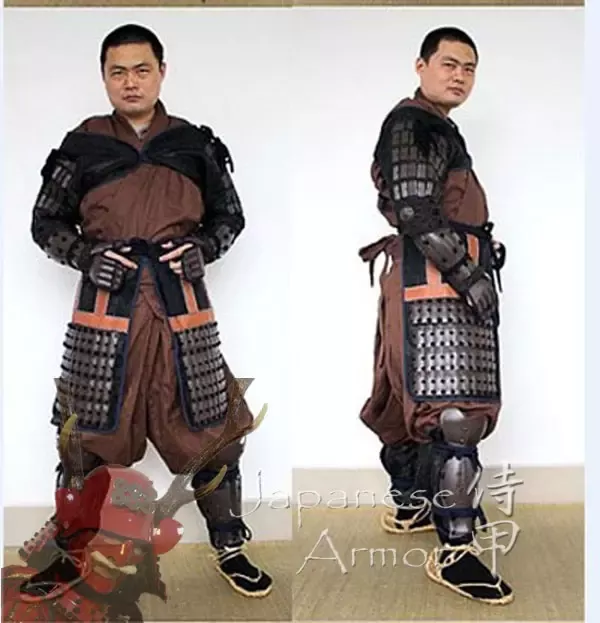
Samurai wore traditional attire called “kimono” and “hakama,” paired with armor for battle. They also adorned themselves with a distinctive hairstyle and a topknot called “chonmage,” and carried two swords, known as “katana” and “wakizashi,” as a symbol of their status.

Conclusion

Samurai shoes bridge the gap between tradition and modern style, offering unique footwear options. Incorporating history, craftsmanship, and innovation, these shoes showcase cultural significance in today’s fashion world. Embrace the spirit of the samurai with every step you take in these iconic shoes.

Explore the legacy of samurai footwear today.
Similar Posts

  • How to Fit Marathon Shoes?

    To fit marathon shoes accurately, first, measure both feet, then try on shoes late in the day to account for natural swelling. Marathon shoes are essential for long-distance running, providing comfort and support for runners. However, finding the perfect fit can be a challenge. To ensure an accurate fit, it is crucial to measure both…

  • What are Running Shoes Called?

    Running shoes are commonly known as trainers or sneakers. These shoes are specifically designed to provide support and comfort to runners, absorbing the impact of each stride and helping prevent injuries. Trainers are made with cushioning technologies and materials that enhance performance and maximize comfort during running activities. They come in various styles and designs,…

  • Why Do Runners Run With Sunglasses?

    Runners wear sunglasses to protect their eyes from harmful UV rays and glare, while improving visibility and reducing eye fatigue during their runs. Sunglasses are a common accessory for runners, serving both a functional and fashionable purpose. They provide essential eye protection from harmful ultraviolet (UV) rays and intense sunlight, which can cause short-term discomfort…

  • Is It Fine to Run Barefoot?

    Running barefoot can be fine for some people, but it’s important to consider individual foot strength and running style. There are potential benefits to barefoot running, such as improved balance and stronger foot muscles, but it also carries the risk of injury if not done properly. This article will explore the pros and cons of…

  • Why Do Marathon Runners Wear Gloves?

    Marathon runners wear gloves to protect their hands from cold weather and chafing. Marathon runners often face chilly conditions and long-distance running can cause chafing. Gloves serve as a protective layer against the elements, helping to keep hands warm and prevent discomfort. Additionally, gloves can enhance grip and provide extra support during the race. Whether…

  • Why Zero Drop is Better?

    Zero drop is better because it promotes natural foot alignment and reduces strain on muscles and joints. This design allows for better posture, stability, and improved movement efficiency. When wearing shoes with a zero drop, the heel and forefoot are at the same height, mimicking barefoot walking or running. This alignment allows the foot to…

Leave a Reply

Your email address will not be published. Required fields are marked *