Should I Tape My Feet for a Marathon?
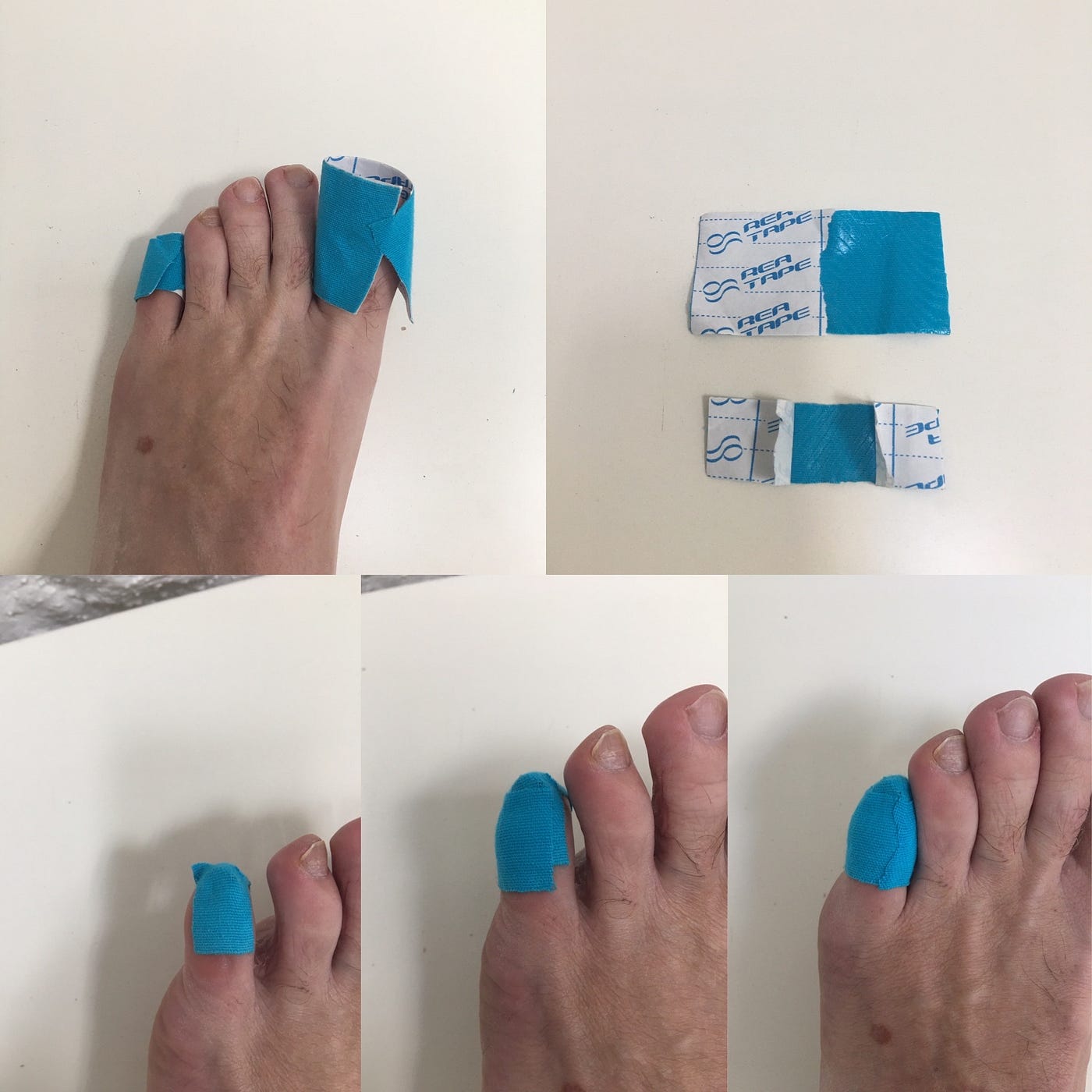
Taping your feet for a marathon can provide extra support and prevent blisters. However, it’s essential to practice taping before race day to ensure it doesn’t cause discomfort or pain while running.
Many marathon runners consider taping their feet to reduce the risk of blisters and provide extra support during the race. The proper taping technique can help stabilize the foot and reduce the impact on muscles and tendons, enhancing overall comfort and performance.
However, it’s crucial to carefully practice taping before the marathon to ensure that it doesn’t lead to discomfort or irritation. While taping can be beneficial for some runners, others may find that well-fitted shoes and high-quality socks provide sufficient support and protection. Ultimately, the decision to tape your feet for a marathon should be based on your personal comfort and experience with taping during training runs.

Credit: m.youtube.com

Credit: trailandultrarunning.com
Frequently Asked Questions On Should I Tape My Feet For A Marathon?
How Do You Protect Your Feet During A Marathon?
To protect your feet during a marathon, follow these guidelines: Wear proper-fitting shoes that provide good support. Use moisture-wicking socks to keep your feet dry. Apply a lubricant, like petroleum jelly, on areas prone to friction. Consider using orthotic inserts for extra cushioning.
Lastly, gradually increase your training distance to avoid overuse injuries.
Should I Wrap My Feet When Running?
Wrapping your feet when running can provide extra support and reduce the risk of injuries. It’s particularly beneficial for those with weak arches or previous foot issues. Make sure the wraps are comfortable and don’t restrict circulation.
How Do You Tape Your Feet For Long Distance Running?
To tape your feet for long distance running, use adhesive tape to secure any hot spots or blisters. Create a barrier to reduce friction and protect vulnerable areas. Make sure the tape is snug but not too tight to avoid cutting off circulation.
Keep the skin clean and dry before taping.
Conclusion
Taping your feet for a marathon can offer support and reduce discomfort. Listen to your body and consult with a professional for the best advice. Experiment in training to see if taping works for you. Remember, your comfort and performance are key in making this decision.